
Your roof is one of the most important parts of your home, but it’s also one of the most forgotten about until something goes wrong. If you don’t take care of a small leak, missing shingles, or storm damage, it can quickly become a bigger problem.
How do you know if a small repair will work or if you need to replace the whole roof?
This guide makes it easy to understand and use so you can be sure you’re making the right choice.
Why This Choice Is Important
It’s not just about fixing a problem when you have to choose between repair and replacement. It’s also about keeping your home safe for a long time.
A quick fix might save you time now, but if the problem is bigger, you might have to fix it again and again, which could cause structural damage or even higher costs down the road.
On the other hand, replacing too soon could mean spending more than you need to.
The goal is clear:
Don’t guess; make the best choice based on how your roof is doing.
Look at the roof first
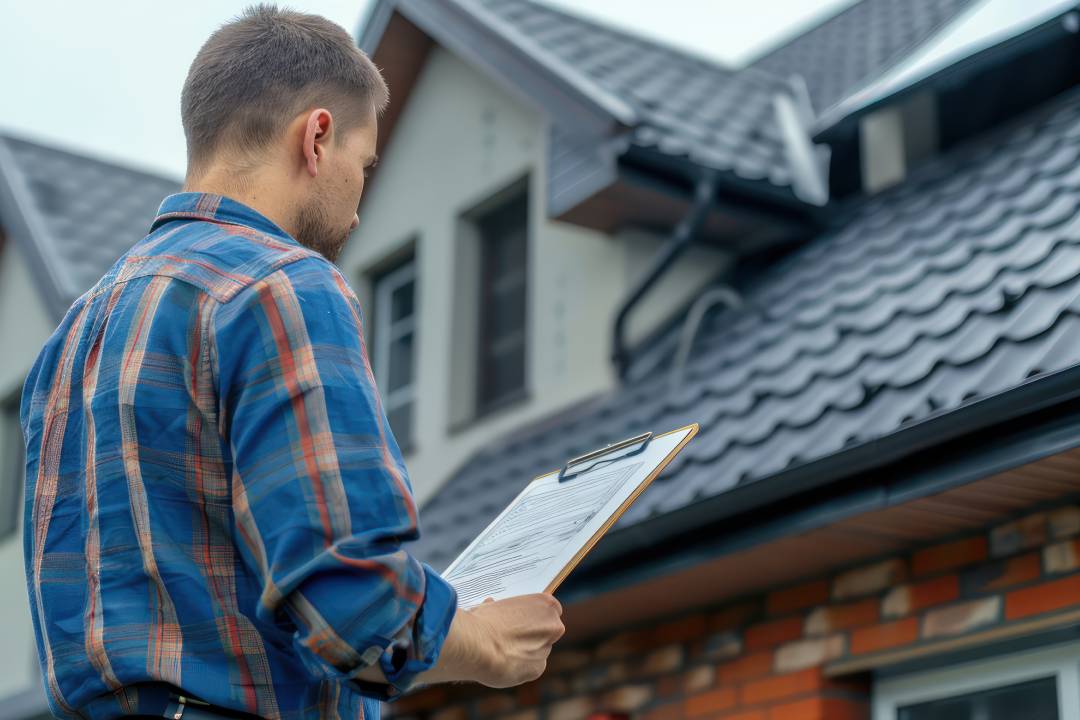
It is important to have a professional look at the property before making any decisions. A trained contractor can find:
- Leaking without being seen
- Damage to the structure
- Weak points
- Signs that you are getting older
A lot of homeowners only notice problems that are easy to see, but roofing problems often start below the surface.
A good inspection clears things up and stops expensive surprises.
When Roof Repair Is the Best Option
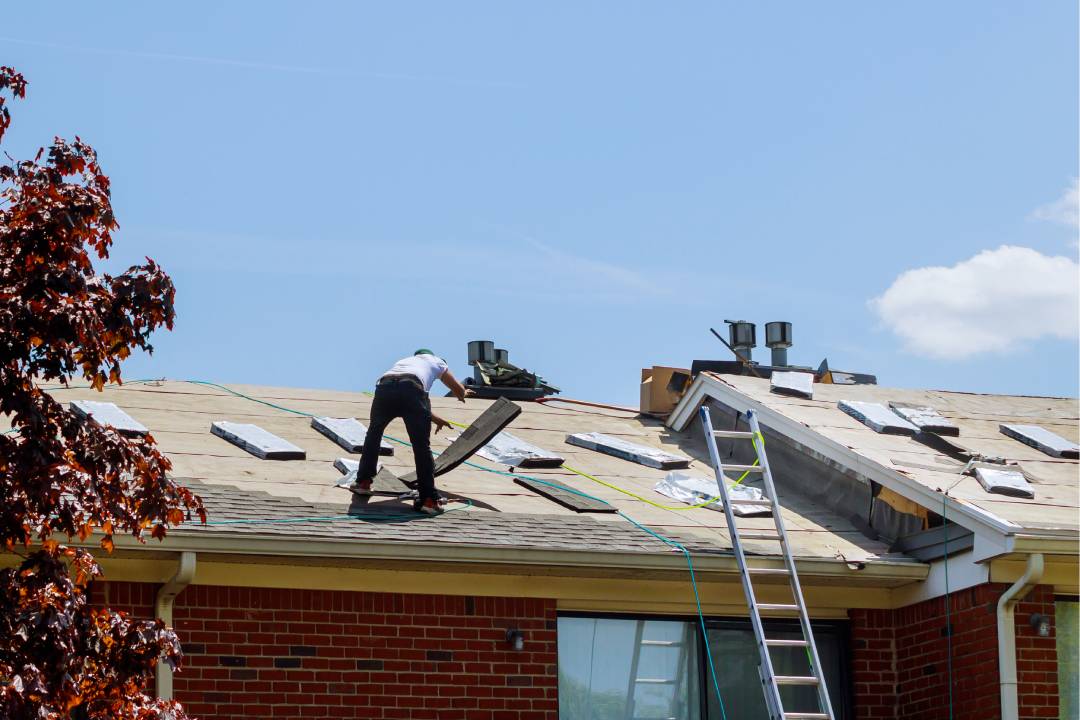
You don’t always have to replace the whole roof when there are problems. In a lot of cases, a specific fix is all that’s needed.
1. Damage that is small or limited
If the damage is only in a small area, like a few missing shingles or a leak in one spot, fixing it is usually the best thing to do.
2. Your roof is still pretty new
It’s usually possible to fix roofs that are still in their early or middle stages of life.
3. Damage from a storm that just happened
Storms can do damage quickly, but only for a short time. It makes sense to fix the parts of the roof that are damaged if the rest of the roof is in good shape.
4. No Problems with the Structure
If the underlying structure is strong and in good shape, repairs can fix the problem without needing to completely replace it.
When it makes more sense to replace the roof
Sometimes, fixing your roof is only a short-term solution. In these situations, getting a new one is the best long-term choice.
1. Damage all over the place
If a lot of your roof is damaged, fixing just a few spots may not work.
2. Repairs that happen a lot
If you’ve had to make a lot of repairs in a short amount of time, it’s probably a sign that your roof is getting old.
3. Roof that is getting old
Every roof has a time limit. At this point, materials start to break down, even if you can’t see any damage.
4. Problems with the structure
Problems like sagging, water damage, or mold show that there are bigger problems that repairs alone can’t fix.
Important Things to Think About
Let’s look at the most important things that homeowners should think about.
How old is the roof?
Roofs that are older are more likely to need to be replaced. Even small problems can mean that things are getting worn out.
How much damage
Think about:
- Is the damage limited to one area or is it everywhere?
- Is it cosmetic or structural?
Plans for Your Home in the Future
If you plan to stay for a long time, buying a replacement may be a better deal.
Exposure to the Weather
Homes in areas that are prone to storms wear out faster, which makes it more likely that they will need to be replaced over time.
Quick Comparison of Repair and Replacement
Roof Repair vs. Roof Replacement
- Scope: Small, localized fixes / The whole roof system
- Time Needed: Shorter / Longer
- Best For: Minor damage, newer roofs / Old or badly damaged roofs
- Long-Term Fix: Short-term to mid-term / Long-term
Warning Signs You Shouldn’t Ignore
Sometimes your roof makes it clear that something is wrong. Keep an eye out for:
- Stains from water on walls or ceilings
- Shingles that are missing or broken
- Areas that are sagging
- The growth of mold or mildew
- Granules building up in gutters
These signs usually mean that there are bigger problems that need more than just a quick fix.
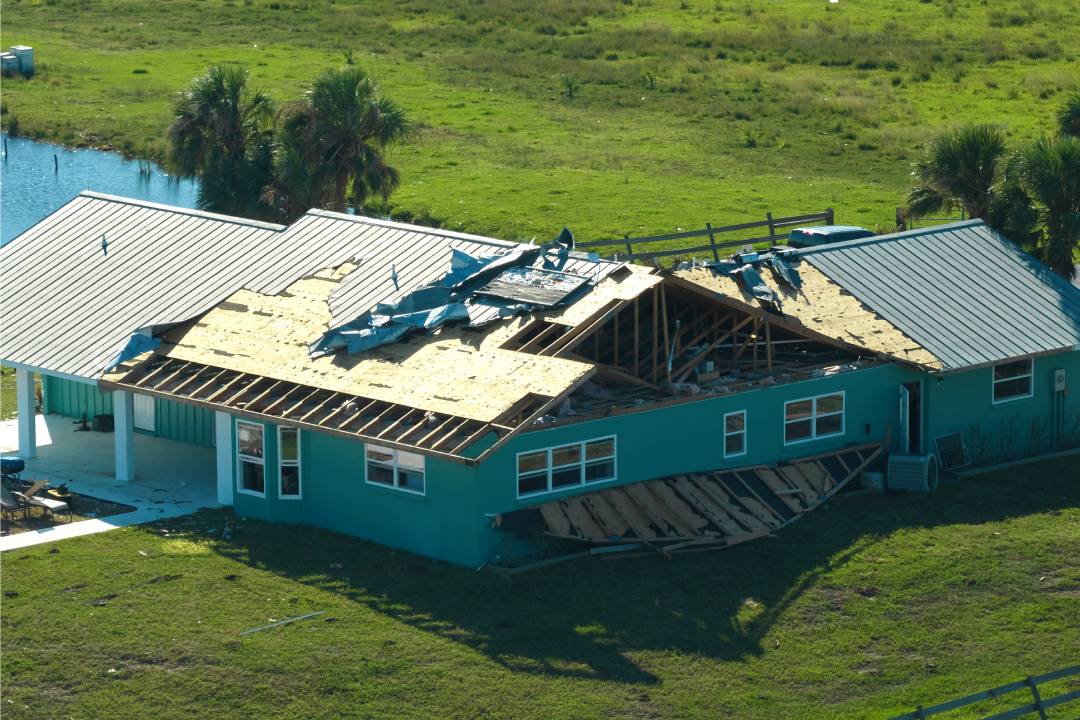
What Storm Damage Does
One of the main causes of roof problems is storms. Strong winds, hail, and heavy rain can:
- Take off the shingles
- Make leaks happen
- Make the structure less strong
In a lot of cases, you can’t see storm damage right away. That’s why it’s so important to check things out after bad weather.
Why it’s important to get help from professionals
It’s easy to choose quickly based on visible damage, but roofs are more complex than they seem. A good contractor can:
- Look at the whole roof of your house
- Tell me the best way to fix the problem
- Find problems that aren’t obvious right away
This makes sure you’re not just treating the symptoms, but also the root cause.
Long-Term Thinking Is Better Than Quick Fixes
One of the most common mistakes homeowners make is fixing problems that will last a long time with quick fixes.
A repair might seem like a good idea right now, but if your roof is about to fail, it could lead to:
- Calls for service over and over
- Damage inside
- More expensive overall
You can avoid these risks by planning ahead.
In the end, what to do:
It doesn’t have to be hard to choose between fixing or replacing your roof. There are three main questions to ask:
- How long has your roof been there?
- How bad is the damage?
- Is this a quick fix or a long-term fix?
If your roof is still in good shape but has some small problems, a repair can fix them.
But if your roof is old or has a lot of damage, getting a new one is usually the better choice.
Need professional help? Let’s take a look.
A professional inspection is the best thing to do next if you’re not sure how your roof is doing.
A full evaluation can give you clear answers and help you move forward with confidence, whether you need to fix something or replace it completely.
Don’t let small problems become big ones. Act quickly and protect your home the right way.