
Introduction
After a storm in North Texas, have you ever gone outside and thought, “I hope my roof is okay”?
In the Dallas–Fort Worth area, storms happen all the time, not just in the summer. Our roofs get hit hard several times a year by baseball-sized hail and winds that blow at speeds of more than 70 mph. North Texas is one of the places in the country that gets the most hail, according to the National Weather Service. That’s not just useless information about the weather; it’s a real threat to your home.
Dimensional Pro Construction have seen how quickly small storm damage can turn into expensive structural problems if they are not fixed. This guide will show you how to do the following:
- How storms hurt your roof
- Things to watch out for
- What to do right after a storm
- Why it’s important to get repairs done quickly and professionally
This is what you need to know if your property is in Dallas, Fort Worth, or anywhere in between.
How Storms Hurt Roofs in DFW
The weather in North Texas is often violent and hard to predict. A storm that lasts only 20 minutes can do damage that you can’t see from the ground.
Hail Damage: The Quiet Killer
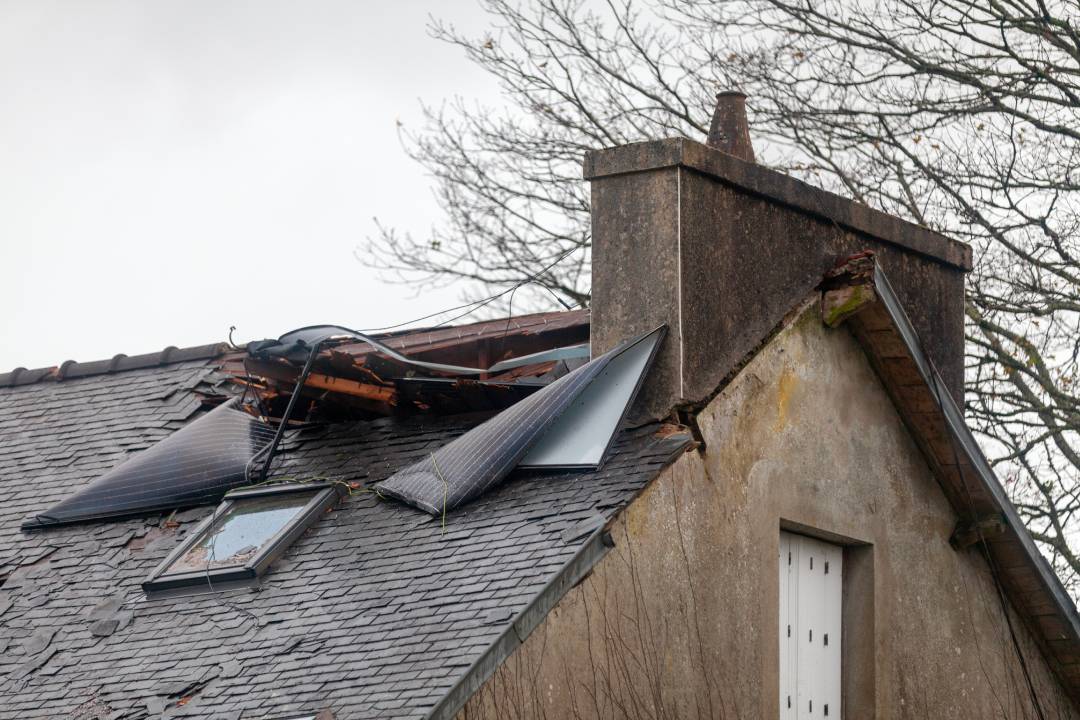
Hail doesn’t just leave dents in metal. It hurts shingles, knocks off protective granules, and makes your roof’s waterproof barrier weaker.
Some common signs are:
- Dark or soft patches on shingles
- Granules building up in gutters
- Shingle tabs that are cracked or broken
- Vents and flashing with dents
What’s the problem? At first, hail damage may only seem like a cosmetic problem, but it can cut the life of your roof by a lot.
Wind Damage: Shingles that are missing, curling, or lifting
Strong winds can:
- Raise the edges of the shingles
- Break the seals on the glue
- Take off all the shingles
Once the seal is broken, even light rain can get underneath and start to damage the insulation and decking.
Heavy Rain and Water Getting In
Water doesn’t need a big hole; it just needs time. Once it gets through the roof system, it can cause:
- Stains on the ceiling
- Mold growing
- Decking that is rotting
- Damage to the structure inside
That’s why it’s important to check right away.
What to Do After a Storm
Step 1: Stay Safe
Your safety is always the most important thing. After a storm, you should never go up on the roof by yourself. Wet surfaces and unstable structures are very dangerous.
Instead:
- Take a walk around your property
- Look for branches that have fallen or trash that is easy to see.
- Check the ground for pieces of shingles.
- Check your attic for dampness.
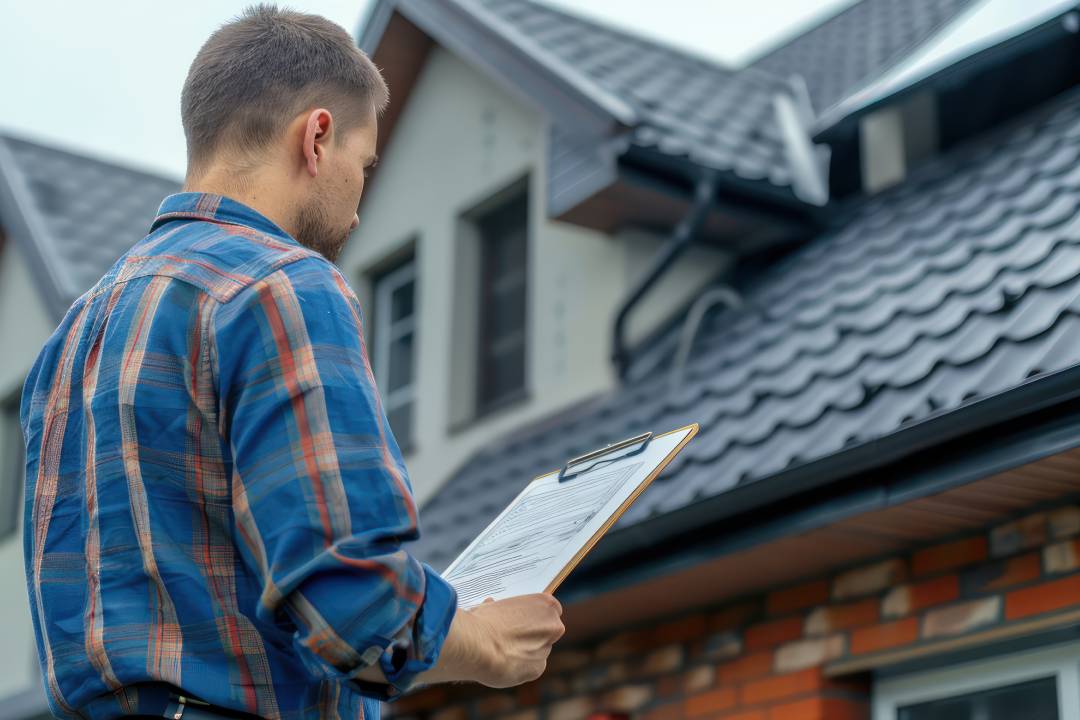
Step 2: Make an appointment for a professional roof inspection.
You can’t see all of the storm damage from the driveway. A professional inspection makes sure that nothing is missed.
We check the following when we look at a roof that was damaged by a storm:
- Shingles and the stuff underneath them
- Flashing and sealants
- Downspouts and gutters
- Holes in the roof, like vents, chimneys, and skylights
- Levels of moisture and air flow in the attic
We keep detailed records of everything because that’s what you need to do if you have insurance.
Step 3: Stop More Damage
If there are active leaks, temporary protective measures like emergency tarping may be needed to keep the inside from getting damaged while permanent repairs are being planned.
Time is important. The longer water gets in, the more likely it is to cause more damage.
Why It’s Important to Fix Your Roof Quickly in DFW
Storm damage almost never gets better on its own.
Little Problems Turn Into Big Problems
One lifted shingle can:
- Take off the underlayment
- Allow UV damage
- Cause wood to rot
In the heat of North Texas, roofing materials that aren’t up to par break down even faster.
Deadlines for insurance are important.
Most policies say when you have to report a claim after a storm. Delays can:
- Make approval harder
- Cut down on coverage that is eligible
- Make people pay more out of their own pockets
That’s why acting quickly isn’t just smart; it’s also strategic.
Keeping Property Value Safe
Your roof is a big part of how strong your home is and how much it will sell for. Storm damage that can be seen can:
- Make the house less appealing from the street
- During inspections, raise red flags
- Make buyers less sure
A proactive repair keeps your money safe.
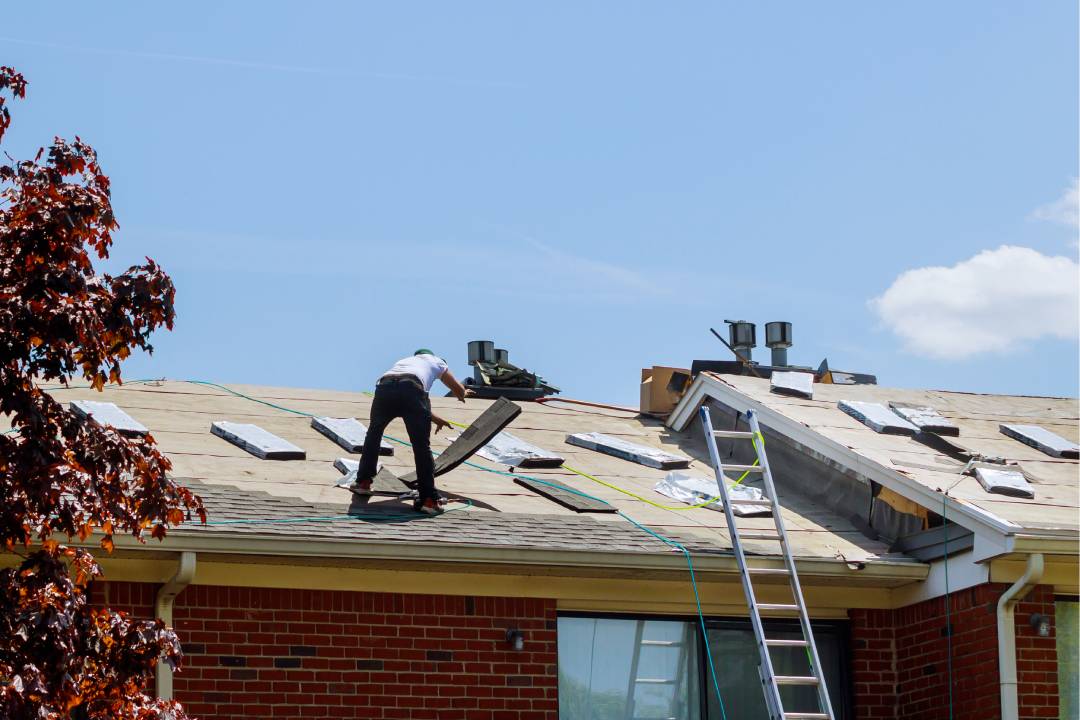
How We Fix Roofs That Were Damaged by Storms
We think that restoration after a storm should be clear, not confusing.
1. A full evaluation
We don’t guess; we look. Every storm has a different effect on homes, depending on how old they are, what they’re made of, and how well they were put together.
2. Clear communication
You’ll get it:
- What is broken
- What needs to be done right away
- What can be watched
No technical language. Just simple explanations.
3. Work done by professionals
To fix a storm, you need to be very careful. Long-term durability is improved by matching shingles, adding support to weak spots, and making sure the roof is properly sealed.
What we focus on is:
- Installing the underlayment correctly
- Ways to fasten things securely
- Flashing work that meets code
- A full cleanup
A storm repair should not only fix damage, but also make people feel safe again.
Don’t Ignore These Warning Signs
Even though the storm passed weeks ago, keep an eye out for:
- Discoloration of the ceiling
- Paint that is peeling near the rooflines
- Attics that smell musty
- Parts of the roof that are sagging
- Too many granules in the gutters
It’s a good idea to schedule an inspection as soon as you notice any of these.
Frequently Asked Questions About Storm Damage Roof Repair
How can I tell if hail has damaged my roof?
From the ground, it isn’t always clear what hail damage looks like. The safest and most accurate way to find out how much damage there is is to have a professional look at it.
Is it possible to fix wind damage without having to replace the whole roof?
Yes, in a lot of cases. If the damage is limited to one area and the materials around it are still strong, it may be possible to make targeted repairs.
How long after a storm should I act?
Right away. Early documentation and inspection protect both your property and your ability to get insurance, even if the damage seems small.
Is missing shingles always the cause of leaks inside?
Not always. Flashing that isn’t working right, vents that are broken, or underlayment that isn’t strong enough can also cause leaks.
Conclusion
Storms happen in North Texas, but roof damage that lasts for a long time doesn’t have to.
A quick response, a professional inspection, and a trustworthy repair can make the difference between a small fix and a big renovation. Don’t wait for a ceiling stain to prove that hail or wind damage has happened in the DFW area.
At Dimensional Pro Construction, we promise to protect homes and businesses with quick and reliable storm damage roof repair. We treat every property like it’s our own, paying close attention to details, communicating clearly, and doing work you can trust.
If your roof has been through a storm recently, schedule an inspection to put your mind at ease before the next one comes.