
Have you ever thought about why your energy bills go up every summer or winter, even when your HVAC system is working perfectly? Or why does your roof seem to age faster than it should? The answer might not be the roof itself , it could be what’s underneath it.
One of the most common problems that people forget to fix in their homes is poor attic insulation. It quietly makes your roof last longer and makes you less comfortable. A lot of homeowners think that insulation only affects how well their heating and cooling work, but it can actually be a hidden roof killer that traps moisture, stresses materials, and causes costly repairs that could have been avoided.
We’ll talk about how not enough insulation in your attic can hurt your roof, what to look for, and what you can do to keep your home safe before small problems become big ones.
How Bad Insulation in the Attic Affects Your Roof
The Secret Link Between Your Roof and Your Attic
Your attic is very important for keeping your roof in good shape. Think of it as a space between your home and the outside world. When insulation is properly installed and ventilated, it keeps temperatures stable, prevents moisture buildup, and reduces strain on roofing materials.
But that balance falls apart when there isn’t enough insulation or it’s not evenly distributed. Heat rises from your home and escapes into the attic, creating an uneven temperature gradient. In the summer, this trapped heat can go above 120°F, which can bake your shingles from below. The opposite happens in the winter: warm air inside melts the snow on the roof unevenly, which causes leaks and ice dams.
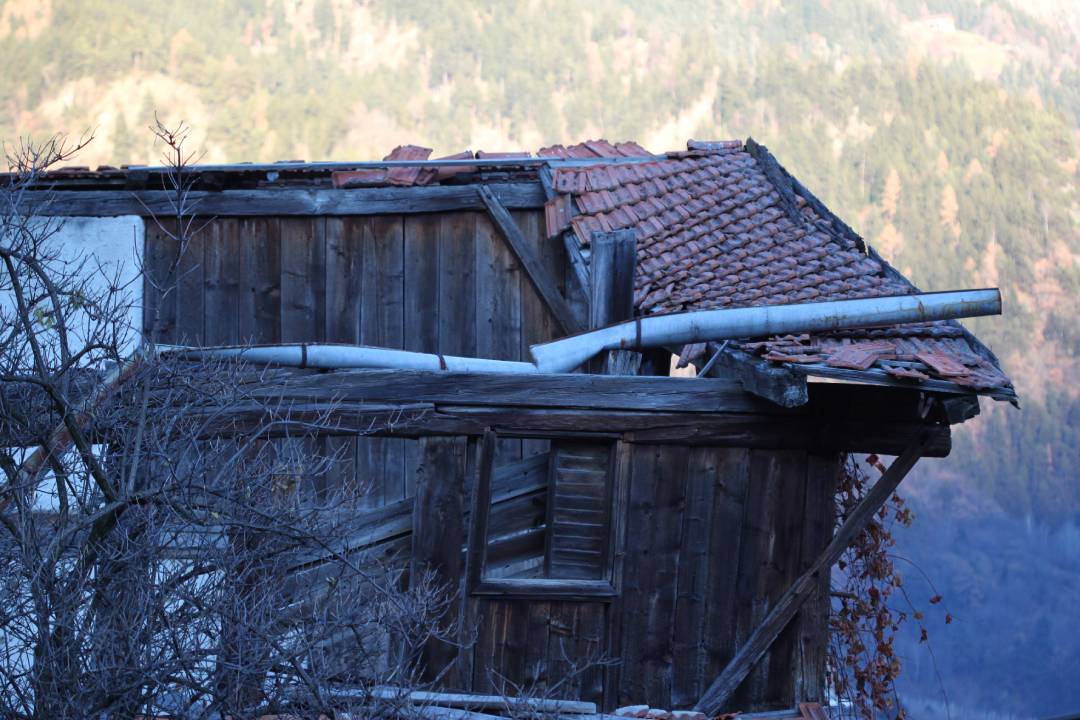
These changes in temperature can crack shingles, warp decking, and damage roofing underlayment over time, and you won’t know it until it’s too late.
1. Roof Damage from Heat Damage
In the summer, an attic that isn’t well-insulated can get very hot, which is a big problem. When heat gets stuck, it rises, which makes shingles expand and contract faster than they should. This causes:
- Shingles that age too quickly (they curl, blister, or lose granules faster).
- Roof decking that isn’t as strong, especially in older homes with wood sheathing.
- HVAC systems have to work harder to cool your home, which puts more stress on them.
If your attic is hot and stuffy in the summer, your insulation is probably not doing its job, and your roof is paying the price.
2. Mold and Moisture: The Enemies You Can’t See
When warm air from your home hits the cooler surfaces in your attic, it makes condensation. That moisture has nowhere to go if the insulation and ventilation aren’t right. Over time, it can:
- Soak into the wood rafters and sheathing.
- Make a place where mold and mildew can grow.
- Cause damage to the structure or rot.
You might not notice the problem until it’s too late, like soft spots on the ceiling, a musty smell, or even mold patches that you can see near vents. By that time, the cost of repairs can go up quickly.
3. Ice Dams and Winter Leaks
In colder climates (yes, even North Texas gets its share of winter surprises), poor insulation can lead to ice dams. Here’s how:
- Heat from inside your home escapes into the attic.
- Snow on the roof melts from the bottom up.
- Melted water refreezes at the roof’s edge, forming ice dams.
These dams trap water behind them, forcing it under shingles and into your home. It’s a slow, silent process , but one that can cause significant interior water damage if ignored.
Warning Signs That Your Attic Insulation Is Failing
You don’t need a construction background to spot insulation problems. Look out for these warning signs:
- Your home has uneven temperatures, especially between floors.
- Bills for energy that are higher than normal even though you use it normally.
- Roof leaks or ceiling stains after snow or heavy rain.
- Condensation or frost inside the attic.
- Visible gaps, compressed spots, or discoloration in insulation material.
If you notice any of these, it’s time for a professional inspection , not just of your insulation, but of your roofing system as a whole.
How to Keep Your Roof Safe (and Your Money)
1. Make an Appointment for a Professional to Look at Your Attic
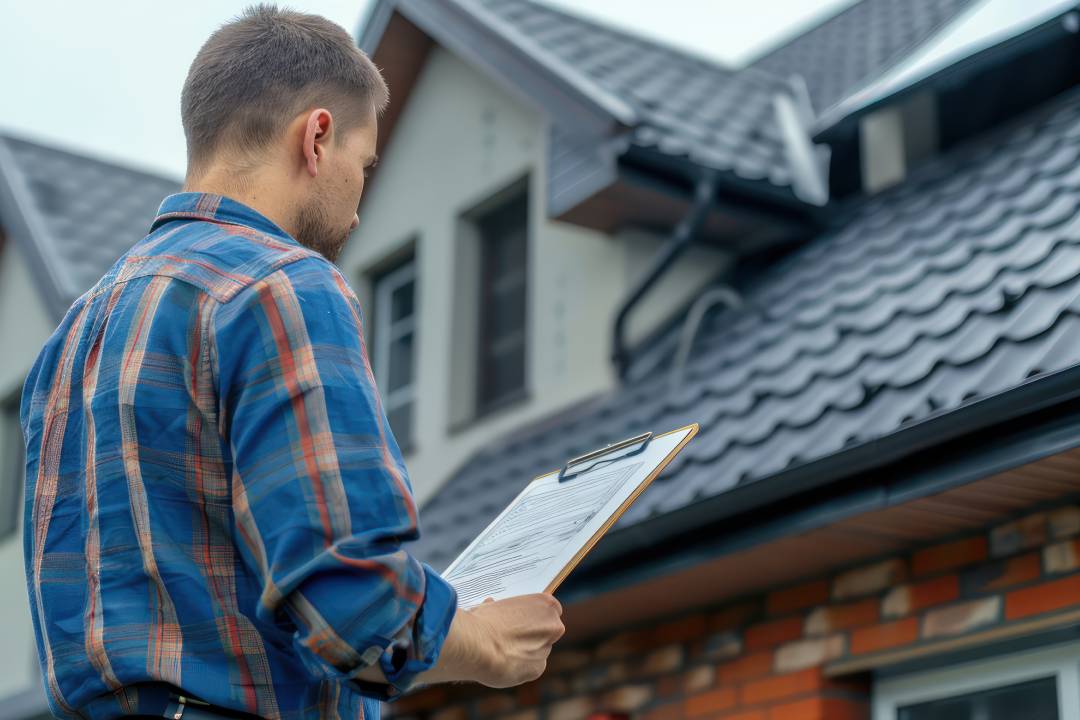
A qualified roofing or insulation professional can tell you if your attic is well-insulated and ventilated. Our team at Dimensional Pro looks for uneven insulation, moisture getting in, and blocked airflow, all of which can slowly hurt your roof over time.
2. Make the Air Flow Better
Half the battle is having good insulation. Even the best materials can trap heat and moisture if they don’t have enough airflow. Adding or fixing soffit and ridge vents can make your roof last a lot longer.
3. Close Up Any Holes That Let Air In
Warm air can get into your attic through small gaps around light fixtures, vents, or attic hatches. Sealing these leaks keeps the temperature steady and stops condensation.
4. Pick the Right Type of Insulation
There are differences between types of insulation. Things like the R-value, the climate zone, and the layout of the attic are important. A professional can tell you which type of insulation is best for your home: fiberglass batts, spray foam, or blown-in cellulose.
5. Check the Roof Often to Be Safe
Even if your roof is perfectly insulated, you should still check it often. You can save money on repairs later if you catch problems with ventilation, moisture buildup, or broken shingles early on.
Why This Is Important for Texas Homeowners
The weather in North Texas is very different. For example, summers are hot and humid, and winters can get cold all of a sudden. That means that insulation in the attic is very important as a first line of defense. Insulating and ventilating your attic properly not only keeps your roof safe, but it also makes your home more comfortable and efficient all year long.
For people who live in the Dallas–Fort Worth area, catching insulation problems early can mean the difference between a quick fix and having to replace the whole roof.
Conclusion
Your roof is your home’s first shield against the elements, but even the strongest roof can’t do its job if your attic isn’t properly insulated. Poor insulation quietly undermines your roofing system , from heat damage and moisture buildup to premature aging and leaks.
The good news is? You can stop it. You can keep your investment safe for years to come by getting your roof checked and making the right changes. This will also help it last longer and use less power.
Call Dimensional Pro today to get a free inspection if you think your attic insulation might be putting your roof at risk. Our experts will help you find problems that are hidden before they turn into expensive repairs, so you can relax from the attic to the curb.
Frequently Asked Questions
Q: How often should I look at the insulation in my attic?
At least once every two years, or after big storms or hail.
Q: Can bad insulation really make roofs leak?
Yes, but not directly. Ice dams, warped decking, and condensation can all happen when heat and moisture get trapped. These things can all cause leaks over time.
Q: Does adding more insulation always help?
Not always. Without proper ventilation, insulation can hold in moisture. It’s important to find a balance between the two.