
Introduction
Let’s be honest, few parts of your home work harder than your roof. It shields you from rain, hail, scorching Texas sun, and unpredictable North Texas storms. But even the toughest roofs have a lifespan. The tricky part? Knowing when your roof just needs a quick fix… and when it’s time to call it quits and go for a full replacement.
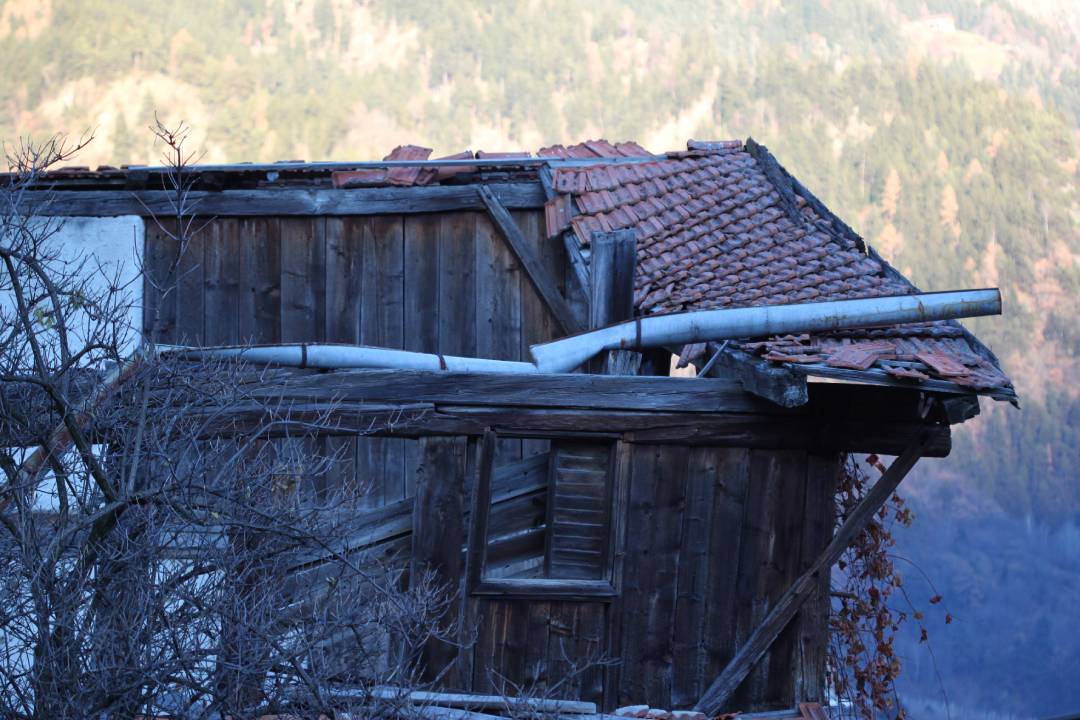
Homeowners often hope for a repair (it sounds easier, right?), but sometimes patching up old shingles is like putting a bandage on a deeper problem. Small leaks, curling shingles, and worn-out flashing can be signs of something bigger happening above your head.
In this post, we’ll walk you through the telltale signs that your roof has reached its limit, what factors to consider before deciding, and how to make a confident choice for your home’s safety and value.
1. Begin with the Age of Your Roof
The age of your roof is one of the best signs that it needs to be replaced instead of fixed.
Average Lifespan of Different Roofing Materials
Here’s a rough guide to how many there are, but the exact number depends on the quality of the installation, the materials used, and how much exposure they get to the weather:
- 15 to 25 years for asphalt shingles
- Architectural shingles last for 25 to 35 years.
- 40 to 70 years for metal roofs
- Roofs made of tile or slate last for more than 50 years.
If your roof is getting close to the end of its life, repairs might only give you a little more time. For example, patching a 20-year-old asphalt shingle roof may fix a current leak, but more issues will likely follow soon after.
Dimensional Pro often reminds homeowners: a roof near the end of its life can’t protect your home like it used to, no matter how many patches you add.
2. You’re Seeing Widespread Damage, Not Isolated Issues
Minor problems can often be fixed, a missing shingle here, a small flashing repair there. But when damage becomes widespread, replacement is usually the smarter move.
Signs of Systemic Roof Failure
- Shingles curling or cracking across large sections
- Granule loss (you’ll notice dark patches or granules in gutters)
- Leaks appearing in multiple areas of your ceiling
- Soft or sagging spots when walking on the roof
These symptoms signal that the roofing system itself, not just one area, is compromised.
If you’ve been repairing multiple areas year after year, that’s your roof’s way of saying, “I’m done.” In such cases, replacing the roof restores integrity and gives you peace of mind instead of constant worry about the next storm.
3. Storm Damage That Goes Beyond the Surface
North Texas weather doesn’t hold back. Hail, high winds, and driving rain can inflict serious, and sometimes invisible, damage.
Damage from Hail
Shingles may look fine from the ground after a hailstorm, but if you look closely, you may find bruises, cracks, or missing granules that make them less protective. When the waterproof layer is damaged, leaks can start out small and spread quickly.
Damage from the Wind
Wind uplift can pull shingles off the roof or even tear them off completely, especially on older roofs. When shingles are missing, the underlayment and decking can get wet, which can lead to mold or rot.
If more than 25–30% of your roof shows storm damage, most professionals (and even many insurance providers) recommend replacement rather than repair, it’s more effective long-term and ensures uniform performance.
4. Recurring Leaks and Interior Water Damage
A single leak after a big storm doesn’t always mean disaster. But repeated leaks, water stains on ceilings, or mold growth in your attic can signal that your roof’s waterproofing layer has failed.
Sometimes, after fixing a leak, homeowners find another one nearby months later. This pattern means that the problem is worse, maybe in the decking or underlayment. Replacing only the surface shingles won’t fix that.
Here’s a quick test:
If leaks keep popping up in different parts of your home or return after previous repairs, it’s time to talk about replacement.
5. Your Roof Is Affecting Energy Efficiency
An aging roof doesn’t just leak water, it can leak money, too. As shingles break down, ventilation gets worse, and insulation can get wet if moisture gets trapped.
Signs that your roof is losing energy
- Your energy bills are going up, especially when the weather is very hot or very cold.
- The attic is unusually hot or damp.
- You can feel drafts or temperature changes in the upstairs rooms.
A new roof with good insulation and ventilation can make a big difference. It helps keep the temperature inside stable, improves airflow, and stops your HVAC system from working too hard.
(You can learn more about energy-efficient roofing materials in our Roofing 101 Guide, an internal link suggestion for your site.)
6. Repairs Are Becoming Too Frequent
Here’s the reality: if you’ve called a roofer more than twice in the past two years, those “small” repairs are adding up, in cost, time, and stress.
Think of it like maintaining an old car. At first, it seems okay to replace a few parts, but over time, it costs more to keep it running than it does to buy a new one that works.
If you have to fix your roof a lot, it’s a sign that it’s getting too old to be properly maintained. In these situations, getting a new one means starting over with new materials, a manufacturer’s warranty, and years of worry-free use.
7. The roof’s decking or structure is damaged.
If the structure under your shingles is failing, even the best shingles won’t be able to protect your home.
Signs of problems with the structure
- Rooflines that are sagging (you can see them from the curb)
- When you walk on the roof, it bounces or feels soft.
- Leaks that keep happening even after repairs
- Visible mold or rot in the rafters or decking of the attic
If the roof’s base is damaged, the safest thing to do is to replace it completely. It gives the new shingles a strong surface to stick to and fixes the structure of your home.
In conclusion
It’s not always easy to know when to fix or replace your roof, but if you know what to look for, your roof will tell you. Age, a lot of damage, leaks that happen over and over, and not being energy efficient are all signs that it’s time to think about getting a new one.
The goal isn’t just to keep the rain out; it’s also to protect your investment, keep your home safe and comfortable for your family for years to come, and keep the structure of your home intact.
Dimensional Pro thinks that a homeowner who knows what they’re doing is a confident homeowner. That’s why we always take the time to look at your roof, explain what it needs, and help you understand what it needs, never more, never less.
If you see any of the signs we talked about above, call a professional to come check out your roof today. We’ll help you figure out how your roof is doing and whether it makes more sense to fix it or replace it.
Frequently Asked Questions
Q1. How often should I have my roof inspected?
At least once a year,and always after major storms. Regular inspections catch small issues before they become big problems.
Q2. Can I replace only part of my roof?
In some cases, yes. But if your roof is older or the damage is widespread, partial replacements may cause uneven wear and void warranties.
Q3. What time of year is best to replace a roof in Texas?
Spring and fall are ideal, mild temperatures make installation smoother. However, if storm damage occurs, don’t wait. It’s best to act quickly to prevent further damage.